



-
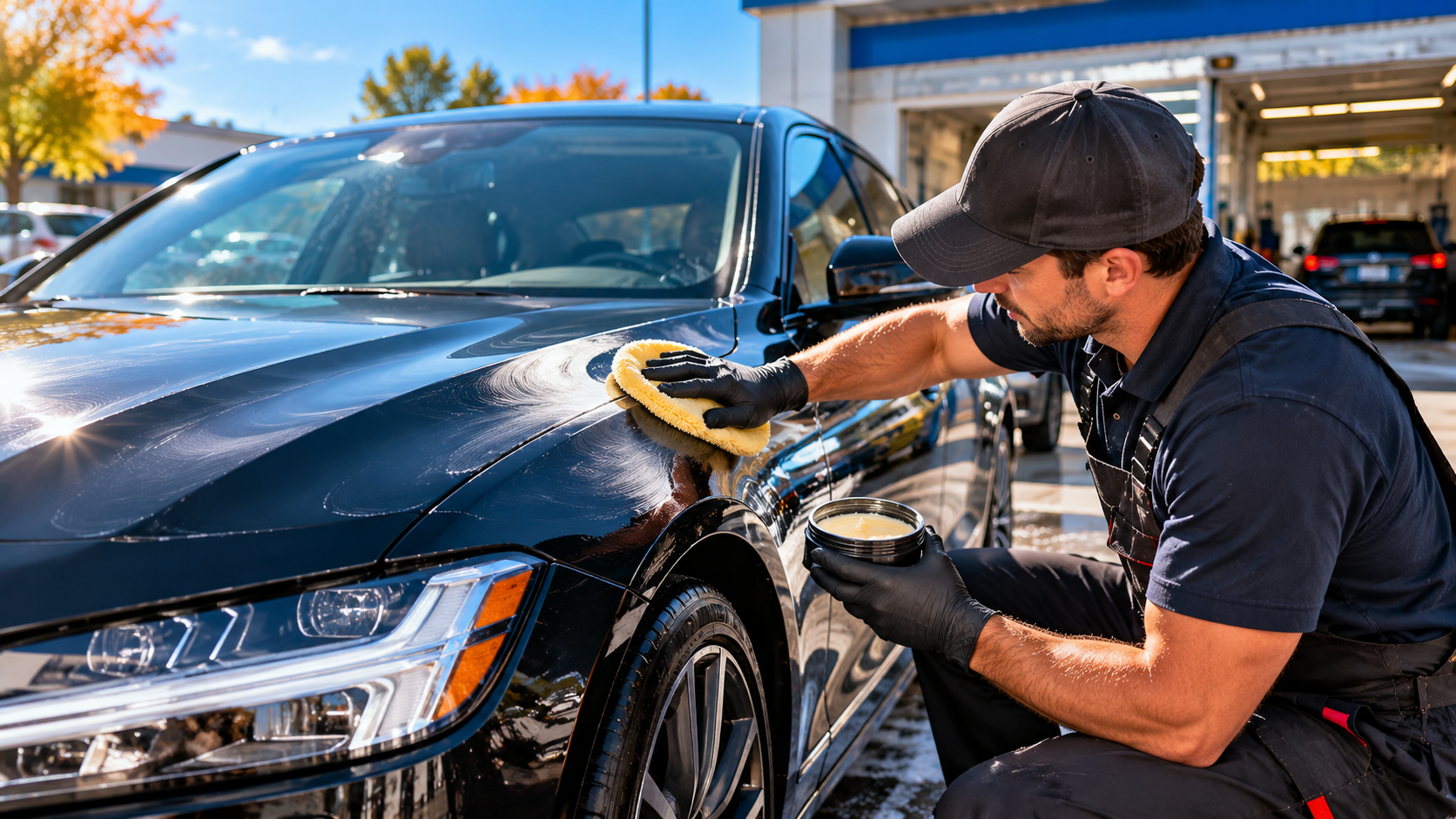
How often should you wax your car? For most daily drivers the honest answer is somewhere between every month or two and every six months, depending on the type of wax, the weather and where the car spends its nights. That is a wide range, and a single number never fits every driver. A garaged commuter and a car that…
-
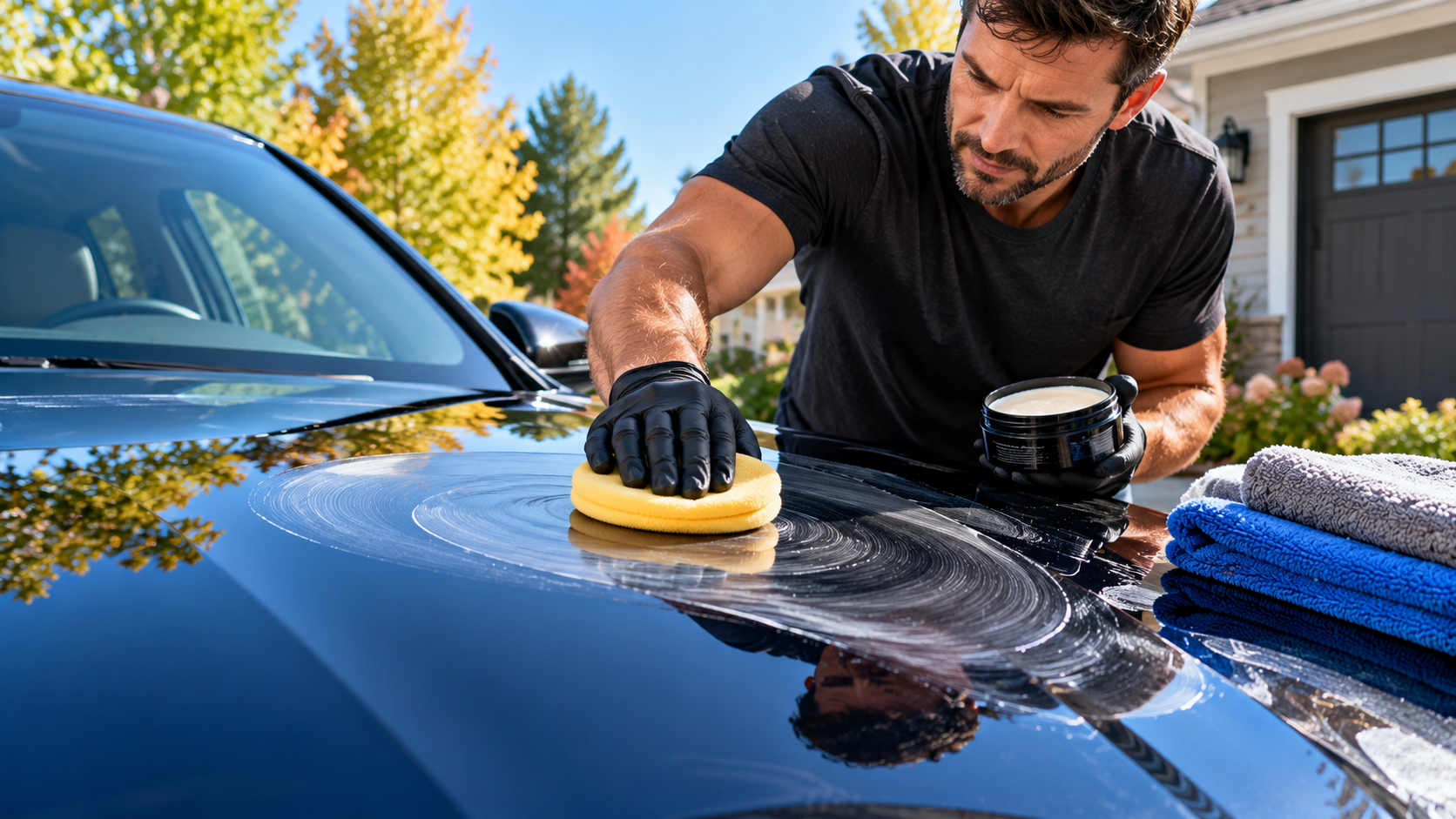
If you want to know how to wax a car the right way, the short version is simple: wash it, dry it completely, apply a thin coat of wax, let it haze, and buff it off with a clean microfiber cloth. The long version is where the good results live. Wax is only as good as the paint underneath it…
-
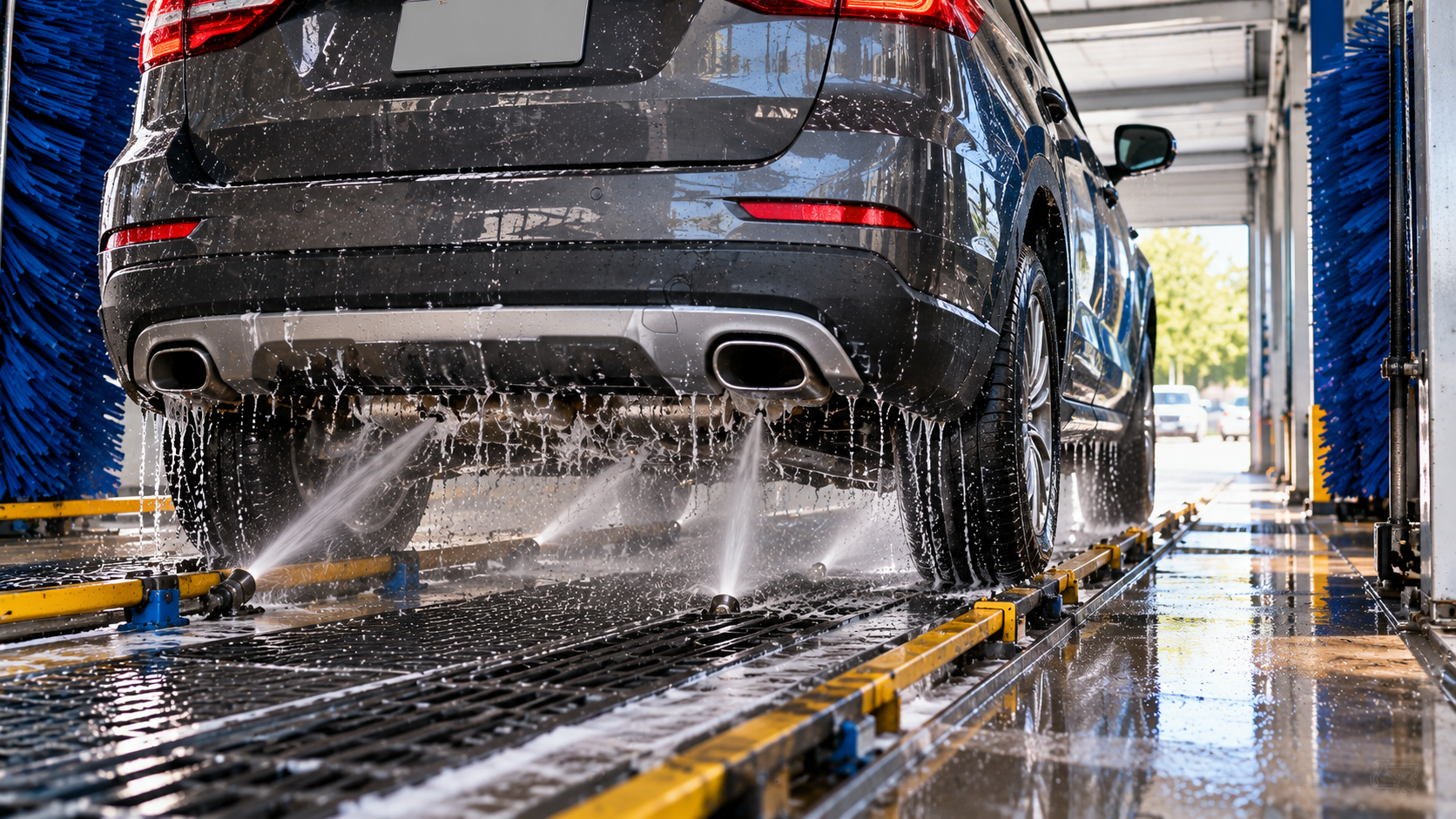
Most drivers judge cleanliness by what they can see. But some of the most important areas to clean are hidden underneath. An underbody car wash helps remove salt, mud, sand, slush, and road grime from parts of the vehicle that are difficult to reach during a standard wash. Key Takeaways An underbody car wash removes salt, mud, sand, and road…
-
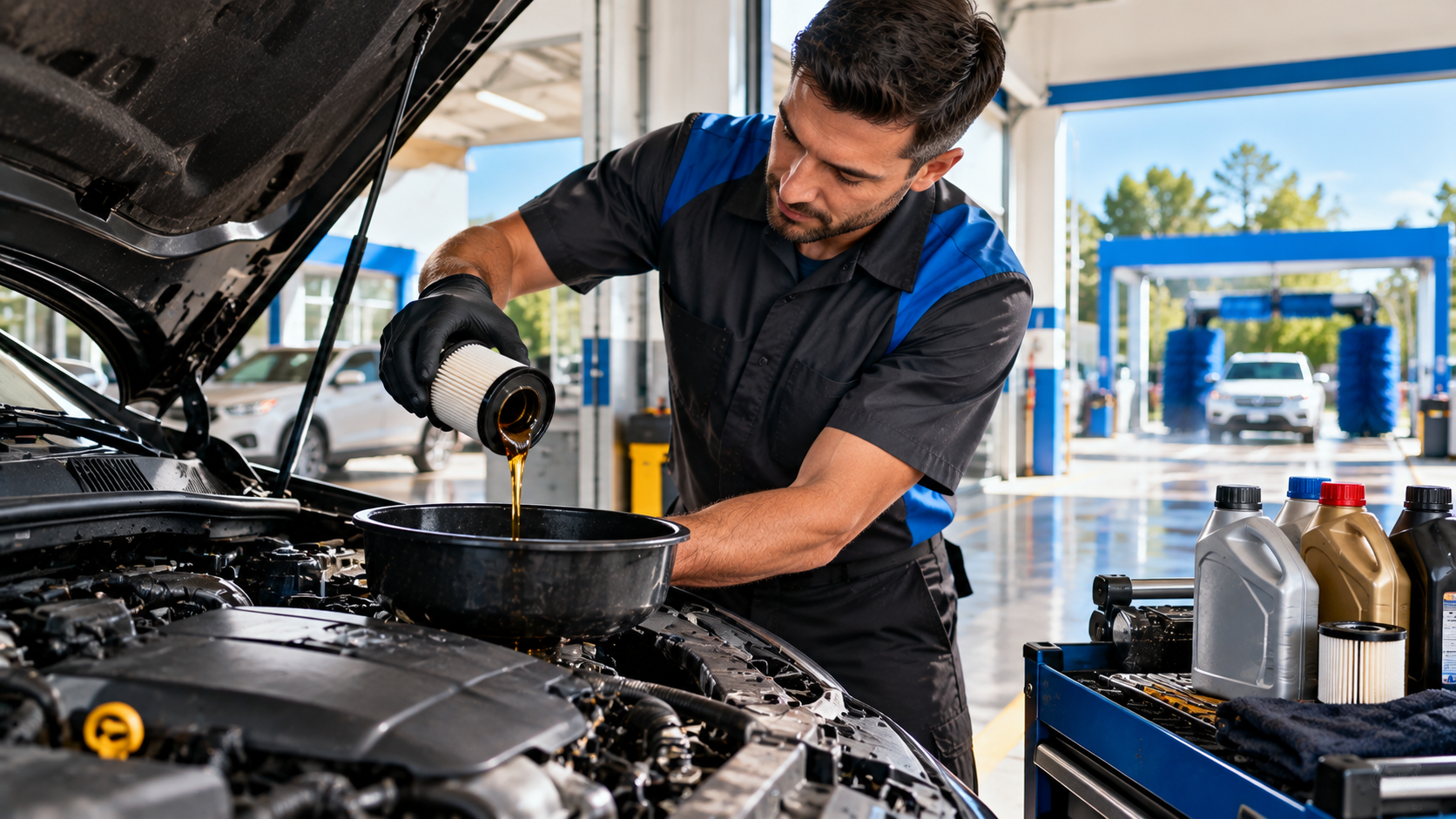
An express oil change is designed to make one of the most important forms of routine vehicle maintenance easier to fit into a busy schedule. Understanding when your vehicle needs service, which oil it requires, and what warning signs to watch for can help protect your engine and keep routine maintenance manageable. Key Takeaways An express oil change provides routine…
-
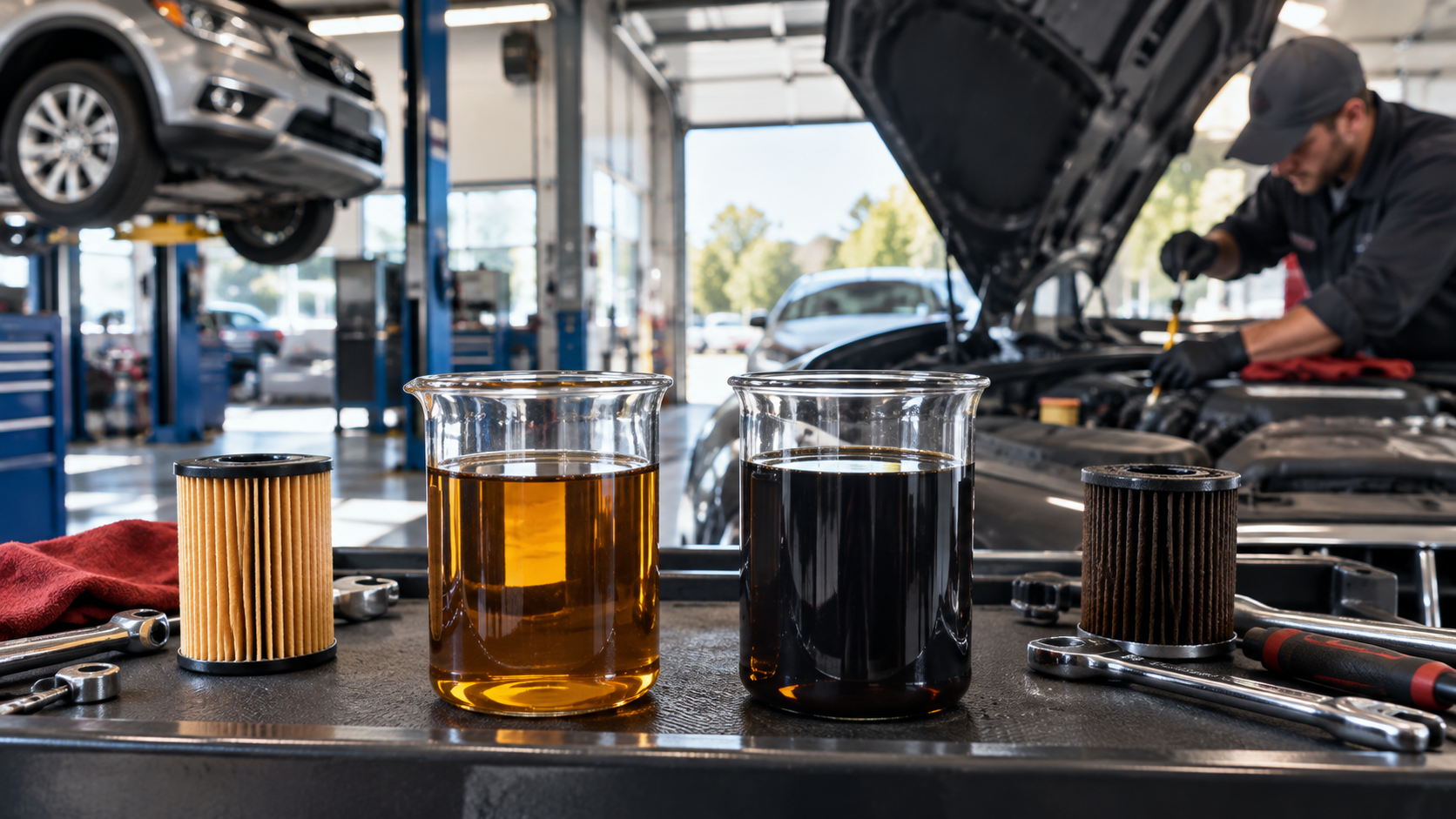
Key Takeaways The main difference between synthetic vs conventional oil is how the base oils are produced and formulated for engine protection and performance. Full synthetic oil generally offers better resistance to high temperatures, oxidation, and extreme cold than conventional oil. Conventional oil may cost less per oil change and can still be appropriate for vehicles whose manufacturers allow it.…
BRANFORD CAR WASH & LUBE
About
Our expert technicians also provide full service detailing, helping your vehicle achieve that “like new” look.
