



Key Takeaways
- Combining an oil change and car wash can make routine vehicle care more convenient by addressing maintenance and cleanliness during the same visit.
- Regular oil changes help protect internal engine components, while consistent washing removes dirt, road grime, salt, pollen, and other exterior contaminants.
- Neither service replaces the other. Oil changes support engine maintenance, while washing helps maintain the vehicle’s exterior appearance and condition.
- How often you need each service depends on mileage, time, driving habits, weather, and road conditions.
- Connecticut drivers may benefit from more frequent washing during winter because of road salt and grime.
- Building oil changes, car washes, and other basic inspections into a consistent routine can make vehicle maintenance easier to remember.
In this article
Why an Oil Change and Car Wash Belong in the Same Vehicle Care Routine
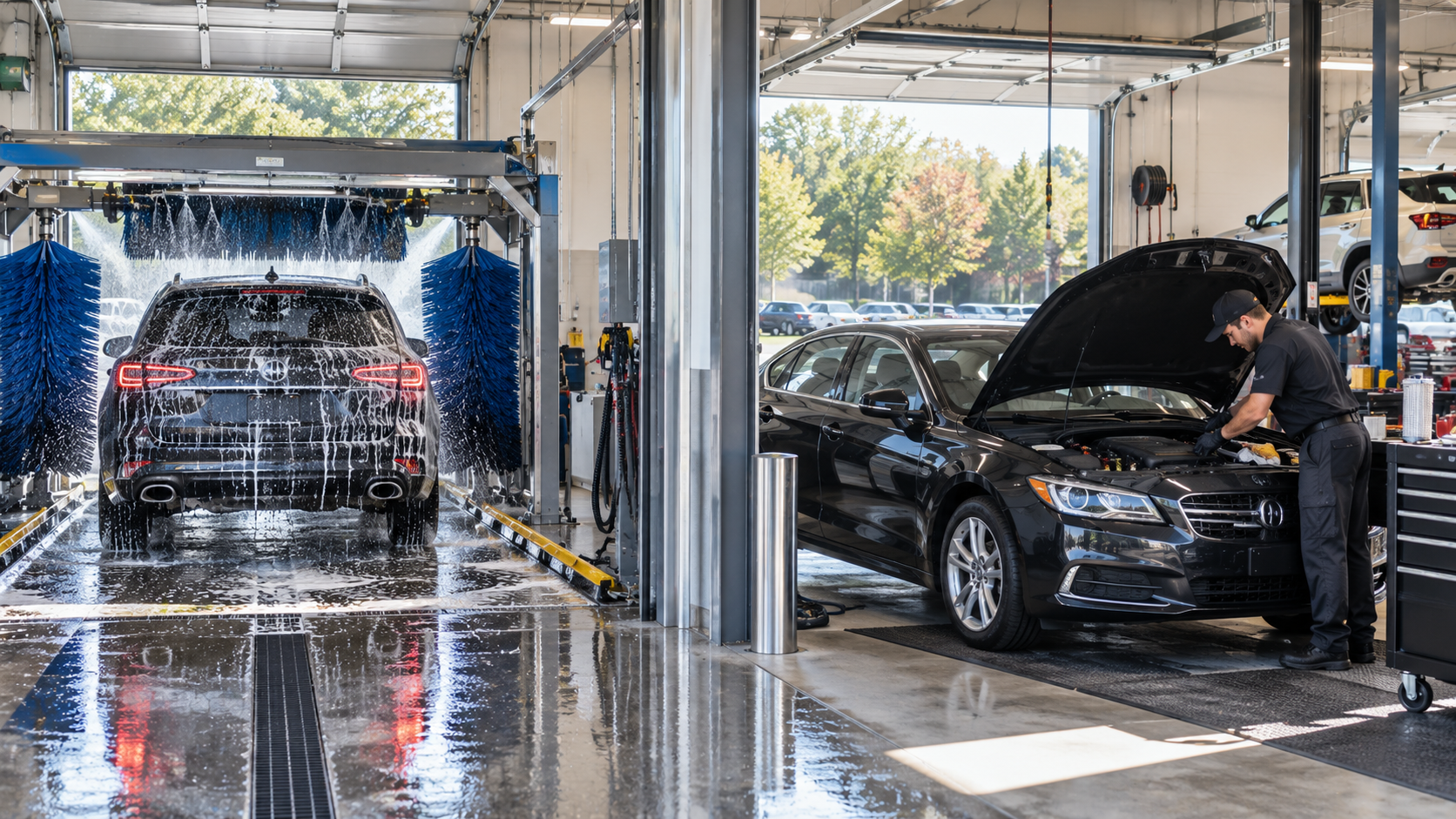
Vehicle maintenance is often divided into two categories. There are the services that help keep the vehicle operating properly, and there are the services that keep it clean and presentable. In reality, both are parts of responsible vehicle ownership. An oil change and car wash address very different areas of your vehicle, but combining them into a regular routine can make car care considerably easier. An oil change helps maintain the engine from the inside, while a car wash removes contaminants accumulating on the exterior. For busy drivers, convenience matters. It is easier to keep up with maintenance when essential services can fit naturally into an existing schedule rather than requiring several separate trips. At Branford Carwash and Express Lube, drivers can take care of routine vehicle maintenance while also keeping their cars clean, creating a straightforward approach to ongoing vehicle care.
Why Are Regular Oil Changes Important?
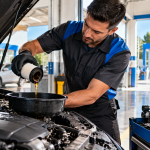
Motor oil is essential for an internal combustion engine. It circulates throughout the engine and helps protect components operating under high temperatures and significant mechanical stress. Engine oil helps:
- Lubricate moving components
- Reduce friction
- Limit unnecessary wear
- Carry heat away from critical areas
- Suspend certain contaminants
- Reduce deposits
- Protect internal metal surfaces
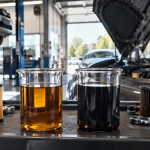
Oil does not maintain the same properties indefinitely. As the engine operates, oil experiences repeated heating and cooling cycles. It also collects contaminants associated with normal engine operation, while the additives within the oil gradually lose effectiveness. Eventually, the old oil and filter need to be replaced. Regular oil changes help ensure the engine continues receiving lubricant that meets the specifications required by the manufacturer.
Why Does Your Vehicle Need Regular Car Washes?
While oil protects important components inside the engine, the exterior of your vehicle faces a completely different set of challenges. Every drive can expose your vehicle to:
- Dirt
- Dust
- Mud
- Pollen
- Bird droppings
- Insects
- Tree sap
- Road grime
- Brake dust
- Road salt
Some contaminants primarily affect appearance. Others can become increasingly difficult to remove when they remain on the vehicle for extended periods. Regular washing removes this buildup before it accumulates excessively. A clean vehicle also makes it easier to notice changes such as scratches, paint chips, wheel damage, or other exterior concerns that may be hidden beneath heavy dirt.
What Are the Benefits of Combining an Oil Change and Car Wash?
The biggest advantage is convenience. Oil changes and car washes occur at different intervals, but there will often be opportunities to handle both during the same visit.
1. Fewer Separate Trips
Vehicle maintenance can be easy to postpone when it requires several appointments at different locations. Combining services reduces the number of stops needed to take care of the vehicle.
2. Easier Maintenance Habits
Routine maintenance becomes easier when it is attached to something you already do. For example, if your oil change is due, that visit can also serve as a reminder to give the exterior a thorough cleaning.
3. Care for the Inside and Outside of the Vehicle
The oil change addresses internal engine maintenance. The car wash addresses exterior cleanliness. Together, they provide a more complete vehicle care visit.
4. Better Use of Your Time
For commuters, families, professionals, and anyone with a busy schedule, reducing the time spent managing basic vehicle care can make regular maintenance easier to maintain.
Does a Car Wash Actually Count as Vehicle Maintenance?
A car wash is often viewed as purely cosmetic, but regular exterior cleaning can also play a role in vehicle upkeep. The key is removing contaminants before they remain on surfaces for unnecessarily long periods.
Road Salt
This is particularly important for Connecticut drivers during winter. Salt and other deicing materials can accumulate on exposed vehicle surfaces. Regular washing during and after periods of winter weather helps remove this buildup.
Bird Droppings
Bird droppings should be removed promptly because leaving them on painted surfaces can contribute to staining or finish damage.
Tree Sap
Tree sap can become difficult to remove after it hardens.
Insects
Bug residue can stick firmly to front bumpers, mirrors, grilles, and other surfaces.
Pollen
Heavy pollen can cover vehicles during spring and combine with other surface contamination. Washing should therefore be considered part of a broader vehicle care routine rather than something reserved exclusively for special occasions.
How Often Should You Change Your Oil?
There is no universal oil change interval for every vehicle. The correct schedule depends on:
- Vehicle manufacturer
- Engine design
- Model year
- Oil specification
- Mileage
- Time since the previous service
- Driving conditions
- Oil-life monitoring system
Older advice often recommended changing oil at the same mileage interval for virtually every vehicle. Modern engines and oils make manufacturer-specific recommendations more important. Check your owner’s manual for the appropriate schedule. If the manufacturer specifies both a time and mileage interval, follow its instructions regarding whichever limit occurs first. For a deeper explanation, read our guide to Oil Change Time vs Mileage: Which Matters More?.
What Driving Conditions Can Affect Oil Changes?
How you drive matters in addition to how far you drive. Certain conditions can place different demands on the engine and its oil, including:
- Frequent short trips
- Stop-and-go traffic
- Extensive idling
- Towing
- Carrying heavy loads
- Very cold temperatures
- High temperatures
- Dusty environments
Short trips deserve particular attention. An engine that repeatedly runs for only a few minutes may experience many startup and warm-up cycles without remaining at normal operating temperature for long periods. Your owner’s manual may classify certain driving patterns as severe service and provide a different maintenance schedule.
What Are the Signs You May Need an Oil Change?
A regular maintenance schedule should be your primary guide, but your vehicle may also provide clues that attention is needed. Possible signs include:
- Oil-change or maintenance reminder
- Low oil level
- Unusual engine sounds
- Burning oil smell
- Visible oil leaks
- Changes in engine performance
- Oil pressure warning
Not every symptom means that old oil is the problem. For example, an oil pressure warning can indicate a more urgent lubrication problem, while visible oil loss may point to a leak. Persistent engine noise can have many mechanical causes. Learn more in our guide to Signs You Need an Oil Change.
How Often Should You Wash Your Car?
Unlike oil changes, there is generally no manufacturer-established mileage interval for washing your vehicle. Wash frequency depends primarily on environmental conditions and how the vehicle is used. You may want to wash more frequently when the vehicle is exposed to:
- Winter salt
- Mud
- Heavy pollen
- Bird droppings
- Tree sap
- Coastal conditions
- Construction dust
- Frequent highway driving
- Bug residue
A vehicle stored in a garage and driven occasionally may need washing less frequently than one parked outdoors and driven every day. The most useful approach is to respond to actual conditions instead of waiting until the vehicle looks extremely dirty.
Why Connecticut Winters Make Regular Washing Important
Winter creates some of the most challenging conditions for vehicle exteriors. Snow itself is only part of the issue. Roads may also contain salt, sand, slush, and other materials used during winter weather. These contaminants can collect around:
- Lower body panels
- Wheel wells
- Wheels
- Bumpers
- Rocker panels
- Areas underneath the vehicle
One wash at the end of winter may not be enough if the vehicle has been exposed to road treatments for several months. Washing periodically throughout the season helps remove buildup rather than allowing it to remain on the vehicle until spring.
What About Spring and Summer?
Each season creates different reasons to wash regularly.
Spring
Spring brings pollen, rain, mud, and tree debris. Vehicles parked outdoors may develop a visible layer of pollen surprisingly quickly.
Summer
Summer driving can expose the vehicle to insects, dust, bird droppings, tree sap, and road-trip grime. Long highway trips can create particularly noticeable buildup across the front bumper, windshield, grille, and mirrors.
Fall
Leaves, tree debris, rain, and organic material can accumulate around exterior surfaces and crevices. A consistent washing routine throughout the year makes seasonal buildup easier to manage.
Should You Wash Your Car Before or After an Oil Change?
When both services are completed during the same visit, the order is generally less important than making sure both services are completed properly. The oil change is a mechanical maintenance service. The wash addresses exterior cleanliness. Neither should interfere with the other when performed correctly. For the driver, the benefit is simply leaving with fresh engine oil and a cleaner vehicle without making another separate stop.
What Else Should Be Checked During an Oil Change?
An oil change can provide a useful opportunity to think about other basic maintenance items. Depending on the vehicle and service being performed, these may include:
- Fluid levels
- Oil filter
- Air filters
- Battery
- Wiper blades
- Exterior lights
- Tire condition
- Tire pressure
The maintenance schedule in your owner’s manual remains the best reference for determining when individual components require inspection or replacement. Drivers can learn more about available Express Lube Services at Branford Carwash and Express Lube.
How Can You Build a Simple Vehicle Maintenance Routine?
One of the easiest ways to stay ahead of vehicle maintenance is to stop treating every service as an unrelated event. Instead, create a routine.
Track Oil Changes
Record the date and mileage after every service. You can use:
- A calendar
- Smartphone reminders
- Maintenance apps
- Service records
- A notebook kept with vehicle documents
Pay Attention to the Exterior
Do not wait for a specific date to wash away obvious contamination. If the vehicle is covered in salt, mud, bird droppings, or pollen, wash it.
Check Your Vehicle Regularly
Occasionally look at:
- Tire pressure
- Tire tread
- Fluid levels
- Lights
- Wiper blades
- Dashboard warnings
Follow the Manufacturer’s Maintenance Schedule
Your owner’s manual contains service intervals designed specifically for your vehicle. Using those recommendations as your foundation makes maintenance much easier to organize.
Oil Change and Car Wash Schedule at a Glance
Why Convenience Can Help You Maintain Your Vehicle Better
Knowing what your vehicle needs is only part of successful maintenance. Actually finding the time to do it matters too. Drivers sometimes postpone simple maintenance because it feels inconvenient. An oil change gets delayed because there is no time for another stop. The vehicle goes unwashed because the weekend becomes busy. Making maintenance convenient reduces those barriers. That is one of the practical advantages of combining an oil change and car wash. Instead of thinking of engine maintenance and vehicle cleaning as completely separate chores, you can incorporate both into a more efficient routine.
Can Regular Maintenance Help a Vehicle Last Longer?
No single maintenance service guarantees how long a vehicle will last. However, following manufacturer recommendations and addressing problems promptly can reduce unnecessary wear and help keep major systems operating as intended. Engine oil is particularly important because inadequate lubrication can contribute to serious internal engine damage. Exterior care serves a different purpose. Washing removes contaminants and helps preserve the cleanliness and appearance of exterior surfaces. Together with tire care, fluid checks, brake maintenance, filter replacement, and other scheduled services, these habits create a more complete approach to vehicle ownership.
What Happens to Used Motor Oil?
Used motor oil should be handled responsibly after it is removed from an engine. The U.S. Environmental Protection Agency explains that used oil can be recycled and re-refined into new lubricating oil, processed into fuel oils, or used as a raw material in the petroleum industry. Used oil should never be poured onto the ground or disposed of through storm drains or household drains. Professional oil change services provide a convenient way for drivers to have used oil removed as part of routine vehicle maintenance.
Frequently Asked Questions About Oil Changes and Car Washes
Can I get an oil change and car wash during the same visit?
At a facility offering both services, combining them can be a convenient way to take care of routine engine maintenance and exterior cleaning without making separate trips.
How often should I get an oil change?
Follow the time and mileage recommendations provided by your vehicle manufacturer. Your driving conditions and oil-life monitoring system may also influence when service is due.
How often should I wash my car?
Wash frequency depends on weather, driving conditions, where the vehicle is stored, and the contaminants it encounters. Vehicles exposed to winter salt, mud, pollen, bird droppings, or other heavy contamination may need more frequent washing.
Does washing a car help protect it during winter?
Regular washing helps remove road salt, grime, and other winter contaminants from exterior surfaces. Washing throughout the season can prevent months of buildup.
Does synthetic oil mean I can wait longer between oil changes?
Synthetic oil can provide greater resistance to breakdown than conventional oil, but you should still follow the maintenance interval and oil specification established for your vehicle.
Should I wait for my oil warning light before getting an oil change?
No. Routine oil changes should follow the recommended maintenance schedule. Some oil-related warning lights can indicate a problem that requires more immediate attention.
Make Routine Vehicle Care More Convenient
Maintaining a vehicle does not need to mean scheduling a different trip for every basic service. Combining an oil change and car wash is a practical way to take care of two very different vehicle needs at the same time. Fresh engine oil supports proper lubrication and engine maintenance, while regular washing removes the dirt, salt, pollen, road grime, and other contaminants that accumulate during everyday driving. The key is consistency. Follow your vehicle manufacturer’s oil-change recommendations, respond to the conditions your vehicle encounters, and build simple maintenance habits that are easy to repeat. For Branford-area drivers,Branford Carwash and Express Lube provides a convenient destination for car washing and routine Express Lube services. Keeping your vehicle maintained and clean can be much easier when both become part of the same regular routine.
Latest Post
-
 Underbody Car Wash: Why Cleaning Beneath Your Vehicle Matters More Than You Think
October 6, 2026
Underbody Car Wash: Why Cleaning Beneath Your Vehicle Matters More Than You Think
October 6, 2026
-
 Express Oil Change Guide: Service, Oil Types & Best Practices
October 2, 2026
Express Oil Change Guide: Service, Oil Types & Best Practices
October 2, 2026
-
 Synthetic vs Conventional Oil: Pros, Cons & Cost
September 28, 2026
Synthetic vs Conventional Oil: Pros, Cons & Cost
September 28, 2026
