





Key Takeaways
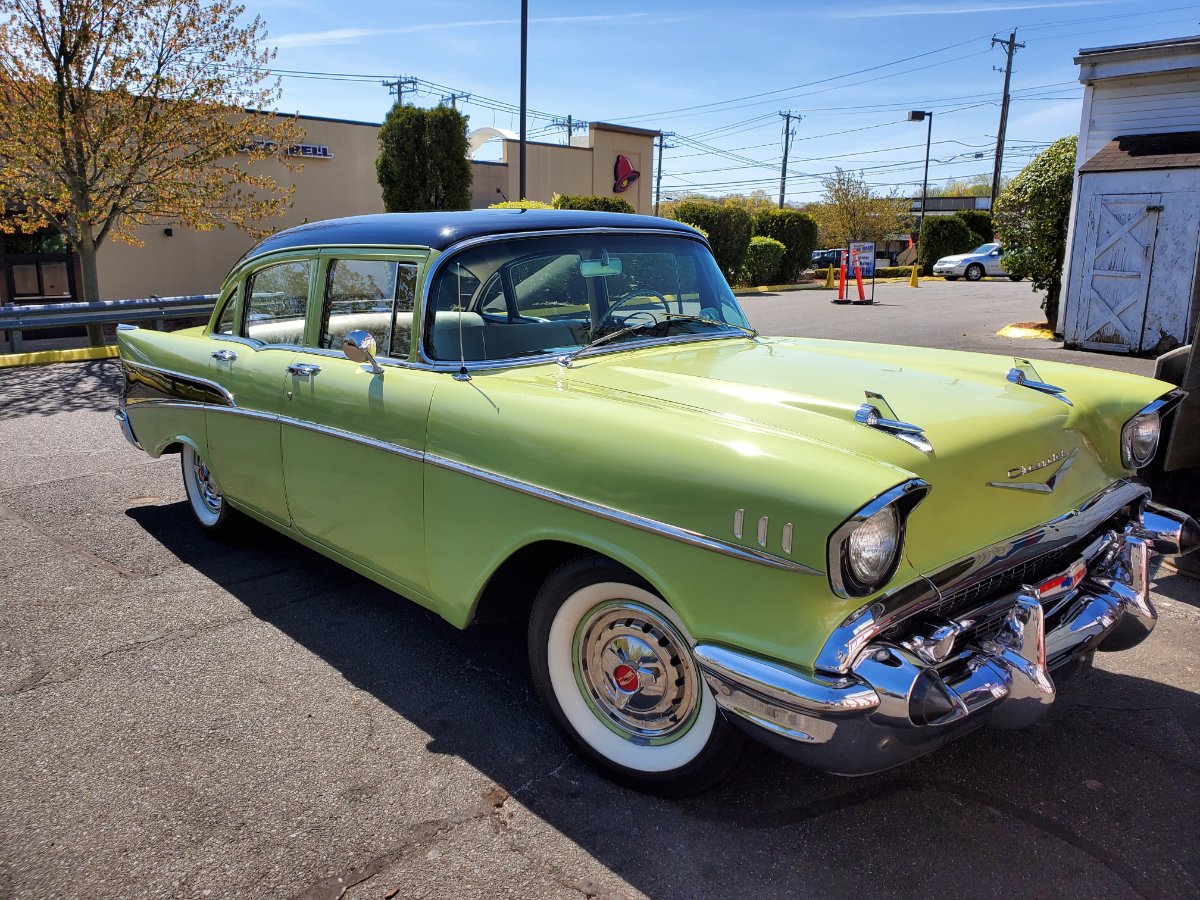
- Many drivers ask: Are car washes bad for your car? Modern systems are designed to clean safely when maintained properly.
- Older or poorly cared-for car wash equipment can cause light scratches or swirls, but modern soft cloths and touchless systems greatly reduce this risk.
- Avoiding car washes entirely is more harmful because salt, dirt, pollen, and debris damage paint and accelerate corrosion.
- Choosing the right wash method, using gentle detergents, and maintaining a consistent cleaning routine are the keys to safe car care.
- Professional facilities like Branford Carwash use updated equipment, pH-balanced soaps, and modern cleaning materials that protect your vehicle.
Why This Question Keeps Coming Up
Many vehicle owners have wondered at some point: are car washes bad for your car? This concern has been around for decades, often fueled by stories of old mechanical brushes leaving marks or pictures of paint damage after a harsh wash.
But here is the truth. Most modern car wash systems are designed to be safe, effective, and far less abrasive than washing at home with old towels or dirty sponges. On the other hand, skipping washes or cleaning infrequently can be far more damaging to your car’s paint, undercarriage, and exterior components.
This guide from Branford Carwash breaks down the myths, facts, and best practices so you can keep your car clean without worry.
Myth 1: Automatic Car Washes Always Scratch Your Paint
This is the most common myth, and it still circulates online. People assume that any mechanical cleaning will automatically cause swirls or scratches. This belief comes from car washes of the past, which used stiff bristles, harsh cleaners, and basic equipment.
The Fact
Modern car washes use advanced materials such as:
- Soft cloth rollers
- Closed-cell foam
- Microfiber safe-contact panels
- Touchless water pressure systems
These cleaning tools are engineered to lift dirt away from the paint instead of dragging particles across the surface. As long as the equipment is clean and well-maintained, the risk of damage is extremely low.
Myth 2: Hand Washing Is Always Safer
Many car enthusiasts believe hand washing is the only safe method. While hand washing can be gentle when done correctly, it is also one of the easiest ways to damage your vehicle if done improperly.
Dirty sponges, old towels, and reused wash buckets trap grit that drags across the paint. Most people do not realize how much debris their cleaning tools are carrying.
The Fact
Professional car washes use:
- Freshly maintained equipment
- Clean water pressure systems
- Specialized soaps that loosen dirt safely
- High-quality cloths designed not to scratch
Unless you are using professional-grade materials and techniques at home, hand washing often carries a higher risk of scratching than a modern automatic wash.
Myth 3: Frequent Car Washes Wear Down the Paint
Some drivers believe washing too often removes clear coat or causes fading. This misconception comes from harsh detergents used many years ago.
The Fact
Today’s car wash soaps are pH balanced and formulated to be gentle on automotive paint. Regular washing removes contaminants before they bond to the surface and cause long-term harm. Washing frequently is one of the best ways to protect:
- Clear coat
- Paint shine
- Trim
- Wheels
- Undercarriage components
Frequent moisture exposure from washing does not hurt your car. Poor-quality soap or dirty tools are the issue, and those are avoidable.
Myth 4: Rain Cleans Your Car Just As Well
Many drivers think natural rainfall can replace a wash. While rainwater rinses the surface, it carries pollutants and minerals that can leave more residue behind.
The Fact
Rain is not pure water. It often contains:
- Airborne contaminants
- Pollen
- Industrial dust
- Acidic compounds
Rain mixed with road grime can form a layer of dull residue that looks worse than before. Regular professional washes prevent this buildup.
Myth 5: Touchless Car Washes Are Always Better
Touchless systems can be a safe option, but no-contact does not always mean more effective. Touchless washes rely on stronger detergents because they do not use physical material to loosen stuck debris.
The Fact
Touchless washes are excellent for:
- Vehicles with delicate paint
- Cars with aftermarket coatings
- Owners concerned about physical contact
However, soft-touch systems often clean stubborn dirt more thoroughly because they gently loosen debris before rinsing it off.
Both are safe when operated with professional care.
The Real Risks: When Can a Car Wash Cause Damage?
While modern car washes are overwhelmingly safe, damage can occur under certain circumstances. These situations are rare and usually involve poor facility maintenance.
Common Causes of Damage:
- Brushes not cleaned properly between uses
- Worn-out foam or cloth materials
- Outdated systems still using abrasive materials
- Harsh detergents without proper dilution
- Low-quality hand washes using dirty rags
This is why choosing a reputable wash provider is essential. Branford Carwash uses advanced equipment, strict maintenance schedules and safe cleaning materials designed to protect your vehicle.
Why Washing Too Little Is Worse Than Washing Too Often
Ironically, people who worry about scratching their car often go too long without washing it. However, dirt, salt, pollen and organic material left on your vehicle do far more damage than a well-maintained wash system ever could.
What Happens When You Avoid Washing:
- Salt corrodes the undercarriage
- Pollen and sap etch into the clear coat
- Bird droppings cause permanent stains
- Brake dust corrodes wheels
- UV exposure accelerates paint fade
Regular washing, especially in winter or spring, is the best way to avoid these issues.
How to Choose a Safe Car Wash
Here is what to look for to ensure the car wash you choose is safe:
- Clean, well-maintained equipment
- Soft cloth or foam materials
- Touchless options available
- pH balanced soaps
- Undercarriage cleaning
- Well-kept facility and visible upkeep
- Professional staff monitoring the wash tunnel
Branford Carwash follows all these standards to ensure every wash is safe, gentle and effective.
What Type of Car Wash Is Best? A Breakdown
| Wash Type | Safety Level | Best Use Case | Notes |
| Soft Touch | High | Everyday drivers | Removes stubborn dirt safely |
| Touchless | High | Luxury or sensitive paint | No physical contact |
| Self-Service Bay | Moderate | Experienced detailers | Tools can cause scratches |
| Hand Wash at Home | Low–Variable | Casual washing | Often uses improper towels |
| Full Detailing | Very High | Deep cleaning | Best when done professionally |
Soft-touch and touchless washes are ideal for most drivers. Hand washing is safe only when done with proper tools and technique.
How to Wash Safely: Best Practices for Car Owners
Here are the safest ways to maintain your vehicle’s shine and clear coat:
1. Wash Frequently
The more often you wash, the less dirt has a chance to bond to the surface.
2. Wax or Seal Your Car Every Season
This adds a protective layer that helps prevent scratches and fading.
3. Use Professional Washes Instead of Driveway Washes
Professional equipment uses cleaner water, better soaps and safer materials.
4. Avoid Automatic Car Washes With Old Technology
Look for modern soft-touch or touchless systems, like those at Branford Carwash.
5. Use Interior Vacuums Regularly
This improves air quality inside the vehicle and prevents odor buildup.
FAQs: Are Car Washes Bad for Your Car?
Are automatic car washes bad for your paint?
Modern systems are designed to be gentle and safe for all paint types when well maintained.
Is it better to wash at home?
Not usually. Home washing often uses gritty sponges and unfiltered water, which can cause scratches.
Is brushing or scrubbing harmful?
Only when using stiff or dirty materials. Professional soft-touch brushes are engineered for safety.
Should I worry about winter car washing?
No. Washing often in winter prevents salt damage, which is far more dangerous than any wash system.
The Truth About Whether Car Washes Are Bad for Your Car
So, are car washes bad for your car? Not when you choose a modern, well-maintained, professional facility. In fact, regular washing is an essential part of protecting your vehicle from environmental damage, corrosion and long-term wear.
At Branford Carwash, we use advanced cleaning materials, safe contact tools and quality detergents to ensure your car receives a gentle, thorough clean every time. When you wash consistently and choose the right methods, your vehicle stays protected and looks great year-round.
To learn more or explore our wash options, visit Branford Carwash.
Latest Post
-
 Underbody Car Wash: Why Cleaning Beneath Your Vehicle Matters More Than You Think
October 6, 2026
Underbody Car Wash: Why Cleaning Beneath Your Vehicle Matters More Than You Think
October 6, 2026
-
 Express Oil Change Guide: Service, Oil Types & Best Practices
October 2, 2026
Express Oil Change Guide: Service, Oil Types & Best Practices
October 2, 2026
-
 Synthetic vs Conventional Oil: Pros, Cons & Cost
September 28, 2026
Synthetic vs Conventional Oil: Pros, Cons & Cost
September 28, 2026
